
The Complete Guide to Custom Merchandise in Australia for Businesses and Events
Everything Australian businesses and event planners need to know about ordering custom merchandise — products, printing, budgets, and more.

Written by
Grant Ellison
Corporate Gifts
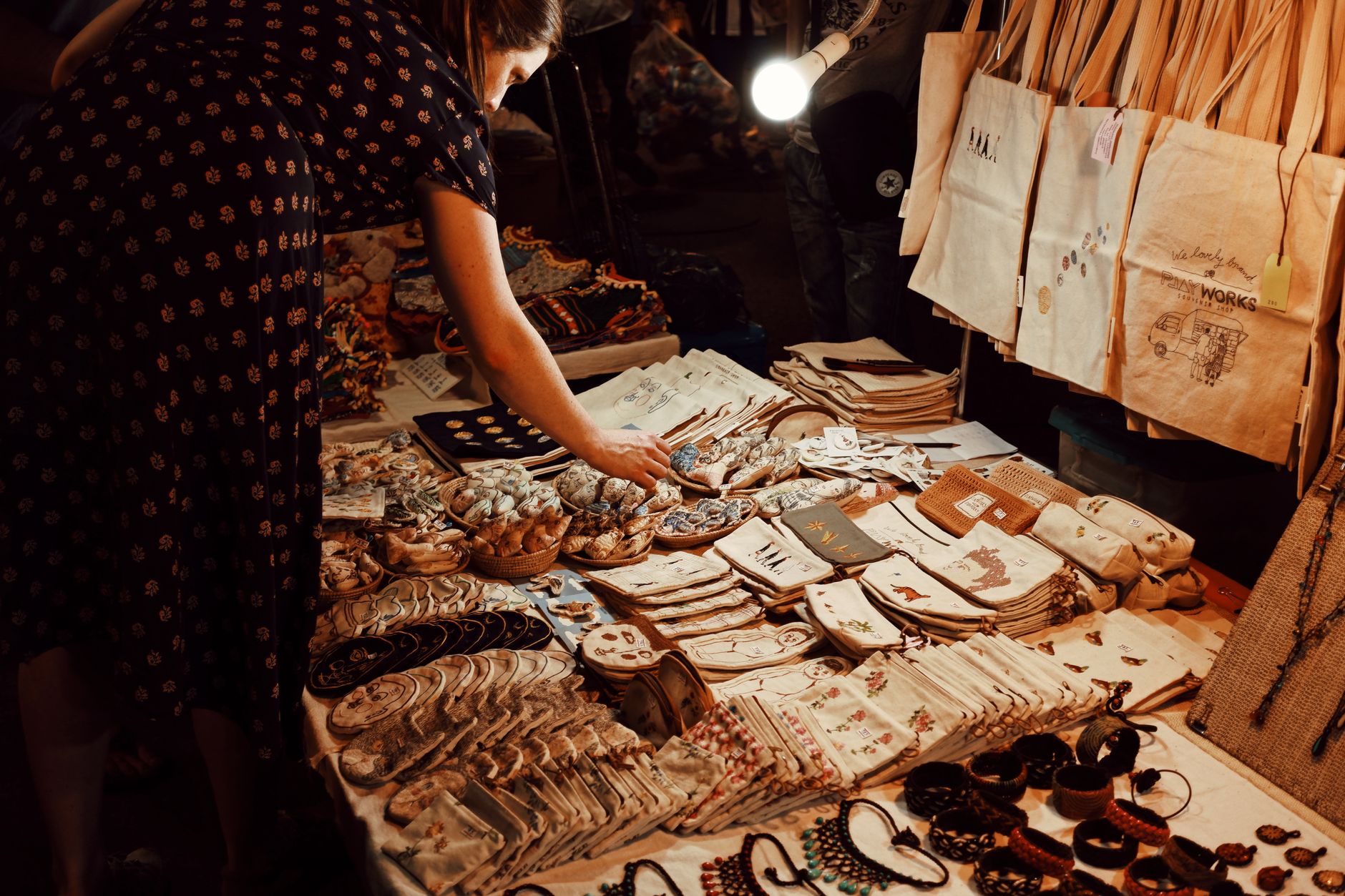
Choosing the right custom merchandise in Australia can feel overwhelming. With hundreds of product categories, a handful of decoration methods, endless colour options, and suppliers scattered from Darwin to Hobart, it’s easy to get lost before you’ve even decided what you want to put your logo on. Whether you’re a Sydney startup planning its first branded giveaway, a Melbourne council preparing for a community expo, or a Brisbane sporting club ordering end-of-season gifts, this guide will walk you through everything you need to make smart, confident decisions about your branded merch.
Why Custom Merchandise Matters for Australian Organisations
Branded merchandise is far more than a novelty. When done thoughtfully, it’s a tangible expression of your organisation’s identity — something people keep, use, and notice. Research consistently shows that promotional products generate significantly higher brand recall than digital advertising alone, and in a market as geographically diverse as Australia, a well-chosen piece of branded merch can carry your name from a Gold Coast trade show to a Canberra boardroom without any additional spend.
For event planners especially, custom merchandise plays a dual role: it creates a memorable experience for attendees and sends them home as walking brand ambassadors. For businesses, it reinforces culture internally just as effectively as it promotes externally. And for not-for-profits and community organisations, thoughtful branded items can strengthen donor relationships and community pride in ways that email newsletters simply can’t replicate.
The key is knowing where to start — and that begins with understanding your options.
Understanding the Landscape of Custom Merchandise in Australia
Product Categories Worth Knowing
The Australian custom merchandise market spans an impressive range of product types. Here’s a quick overview of the most popular categories and where they’re typically most effective:
Custom Apparel — T-shirts, polos, hoodies, caps, and hi-vis workwear remain the backbone of the industry. Premium custom hoodies are particularly popular with universities, sports clubs, and creative agencies looking to build team culture. Apparel works across almost every sector, from retail to healthcare.
Drinkware — Branded water bottles, keep cups, and mugs are perennial bestsellers because they’re used daily. If your brand values sustainability, glass bottles and drinkware offer a premium feel that plastic alternatives simply can’t match. These items tend to have excellent longevity in the hands of recipients.
Bags and Totes — Tote bags, backpacks, cooler bags, and event bags give your brand consistent visibility. A well-made tote handed out at an Adelaide conference will likely be reused for months.
Tech Accessories — Power banks, USB drives, phone accessories, and wireless chargers are crowd-pleasers at corporate events. Interestingly, some suppliers even offer free promotional USB flash drives when you meet certain order thresholds — worth knowing if you’re working with a tight budget.
Stationery and Office Supplies — Branded pens, notebooks, and custom lanyards are conference staples that deliver solid ROI due to their everyday utility.
Eco-Friendly Products — Sustainability is no longer optional for many Australian organisations. From bamboo stationery to recycled tote bags, eco-friendly promotional product trends in 2026 show a clear shift towards environmentally responsible choices across both the corporate and government sectors.
Specialty and Niche Products — Don’t overlook the power of unexpected merch. Branded camping chairs for beach and coastal events are a fantastic fit for Queensland and Western Australian activations, while branded candles for kitchen and homewares brands make luxurious corporate gifts that stand out from the typical pen-and-notebook combo.
Decoration Methods Explained
One of the most important decisions in any custom merchandise project is how your logo or artwork will be applied. Different methods suit different products, fabrics, and budgets.
- Screen Printing — The most cost-effective method for large runs of apparel and flat products. Best for bold, simple designs. Colour limitations apply per print run.
- Embroidery — Ideal for professional-looking logos on polos, caps, and jackets. Creates a premium, durable finish but isn’t suited to very fine details or gradients.
- Sublimation — Produces full-colour, all-over prints on polyester fabrics and certain hard goods. Popular for sports apparel and custom merchandise that demands vibrant visuals.
- Laser Engraving — Used on metal, wood, glass, and leather products. Produces a sophisticated, permanent mark — commonly seen on premium corporate gifts.
- Pad Printing — A versatile method used on pens, drinkware, and small promotional items where the surface is uneven.
- Heat Transfer and Digital Printing — Great for smaller runs or designs with photographic detail where screen printing isn’t practical.
Understanding which method applies to your chosen product will save you time during the quoting process. If you’re printing on dark-coloured merchandise, there are specific considerations to keep in mind — our guide to printing on dark vs light coloured promotional products covers this in detail.
Key Considerations When Ordering Custom Merchandise in Australia
Minimum Order Quantities (MOQs)
Every product category comes with its own minimum order quantity. As a general rule:
- Branded pens: MOQs as low as 50–100 units
- Custom t-shirts and apparel: typically 12–25 units minimum
- Drinkware and bottles: often 25–50 units minimum
- Premium items like power banks or leather goods: sometimes 25–50 units, but varies widely
If you’re a small organisation or ordering for a boutique event, it’s worth asking suppliers specifically about low-MOQ options or sample orders before committing to a full production run.
Turnaround Times
Australian businesses frequently underestimate how long custom merchandise takes. From the moment your artwork is approved, most standard orders require 10–15 business days for production, plus freight time. If you’re in Perth or Darwin, factor in extra days for delivery from eastern state suppliers.
Rush orders are possible but typically attract a surcharge. As a rule of thumb, start your merchandise procurement at least six to eight weeks before your event or campaign launch date. This gives you buffer time for artwork revisions, proof approvals, and any unforeseen production delays.
Artwork and File Requirements
Suppliers will almost always ask for vector artwork files (typically .ai, .eps, or high-resolution .pdf formats). If you only have a JPEG or PNG logo, speak with your supplier early — they may be able to recreate your artwork for a fee, or point you towards a graphic designer who can help. PMS colour matching is important if brand consistency is critical for your organisation.
Budget Planning
Custom merchandise pricing varies enormously based on product type, quantity, decoration complexity, and lead time. A useful approach is to set a per-unit budget first, then work backwards to find products that fit. For example:
- Under $3 per unit: pens, lollies bags, basic keyrings — perfect for high-volume giveaways at trade shows
- $3–$10 per unit: tote bags, mugs, basic t-shirts, lanyards
- $10–$25 per unit: quality apparel, drinkware, tech accessories
- $25+ per unit: premium items like insulated bottles, leather goods, branded tech, or niche specialty products
For inspiration on premium gifting, explore promotional giveaways for milestone celebrations in Australia — particularly useful if you’re planning end-of-financial-year gifts, anniversaries, or award ceremonies.
Industry-Specific Insights for Australian Organisations
Different sectors have very different needs when it comes to custom merchandise in Australia.
Healthcare and Manufacturing — Functionality and safety come first. Branded face shields for manufacturing plants are a smart way to combine workplace safety requirements with brand visibility on the factory floor.
Veterinary and Pet Industry — Thoughtful, niche products like custom pet beds for veterinary clinics make memorable gifts that clients genuinely appreciate — and talk about.
Hospitality and Food Service — Branding extends to the table. Custom labelled sparkling water for restaurant table branding is a brilliant example of how merchandise thinking can elevate the entire dining experience.
Regional and Remote Communities — Don’t forget that custom merchandise supports community identity too. Branded gifts in Cairns and other regional hubs often incorporate locally relevant themes, and products that reflect Australian heritage — such as those featuring the Aboriginal Australia flag — can demonstrate genuine cultural respect and community connection.
Events and Conferences — Sweet treats and novelty items like a branded lollies bag can be a cost-effective crowd-pleaser at a stall or expo, creating immediate engagement and a positive association with your brand.
Working Effectively With Your Merchandise Supplier
Once you’ve shortlisted products and decoration methods, here’s how to make the process run smoothly:
- Request a spec sheet or sample before committing to large quantities, especially for apparel where sizing and fabric weight matter.
- Ask for a digital proof and review it carefully before approving production. Check logo placement, sizing, and colour accuracy.
- Clarify freight terms upfront — particularly if your organisation is based in regional Queensland, South Australia, or Western Australia, where delivery costs can add up.
- Consolidate your order where possible. Ordering multiple product types from a single supplier in one shipment often reduces both cost and complexity.
- Plan for extras — order 5–10% more than you think you need. It’s almost always cheaper per unit than a second small run.
Conclusion: Getting the Most from Custom Merchandise in Australia
The Australian custom merchandise market offers extraordinary breadth and depth for organisations of every size, budget, and sector. From premium embroidered hoodies for a Sydney corporate team to eco-friendly tote bags for a Canberra government conference, there is genuinely something for every brief and every budget.
Here are the key takeaways to carry with you:
- Start early — allow at least six to eight weeks from brief to delivery, especially for complex or high-volume orders.
- Choose products your audience will actually use — longevity and utility are the hallmarks of effective custom merchandise.
- Match your decoration method to your product and artwork — not every technique works on every surface or fabric.
- Understand your MOQs and budget before you fall in love with a product — it saves time and disappointment.
- Think beyond the obvious — the most memorable custom merchandise in Australia is often the product nobody expected, executed with care and creativity.
Whether this is your first branded merchandise project or you’re refining a long-standing procurement process, use this guide as your starting point — and don’t hesitate to ask your supplier the hard questions. The best outcomes come from clear communication, realistic timelines, and a genuine understanding of what your audience will value.