
Custom Printed T-Shirts in Melbourne: The Complete Ordering Guide for 2026
Everything Melbourne businesses and organisations need to know about ordering custom printed t-shirts — from decoration methods to MOQs and budgeting.

Written by
Riley Monk
Custom Apparel
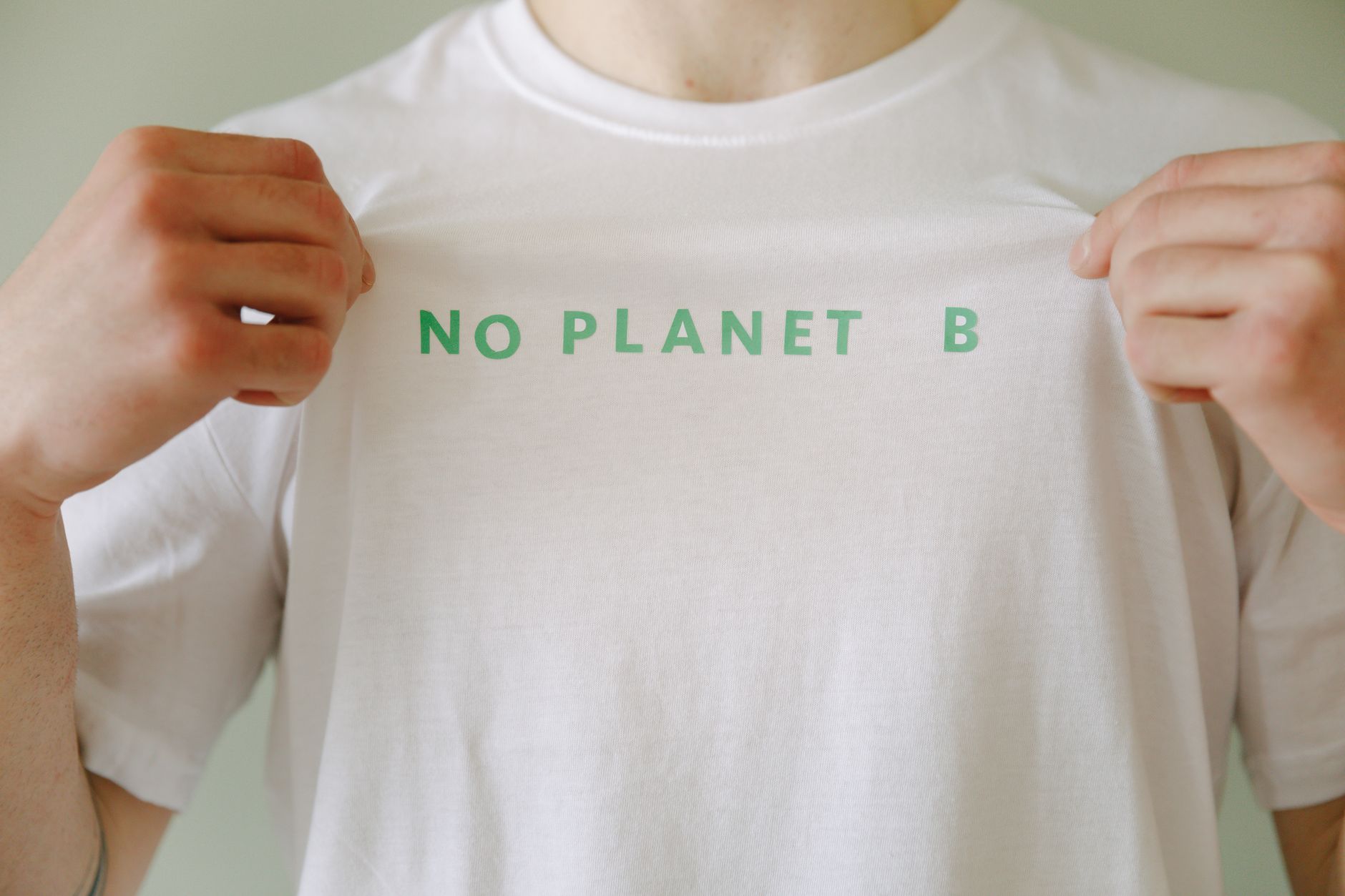
Whether you’re outfitting your team for a corporate event, kitting out a local footy club, or preparing merchandise for a Melbourne festival, custom printed t-shirts remain one of the most versatile and cost-effective branded items you can invest in. The Melbourne market is particularly dynamic — with a thriving events scene, a strong small business community, and a culture that genuinely values well-designed apparel, demand for quality custom t-shirts has never been higher. But navigating the ordering process can feel overwhelming if you’ve never done it before. This guide covers everything you need to know, from choosing the right decoration method to managing your budget and timeline effectively.
Why Custom Printed T-Shirts in Melbourne Are Always in Demand
Melbourne’s identity is deeply tied to creativity, sport, and community. From the AFL season to Moomba, from St Kilda Festival to Laneways, the city has no shortage of occasions that call for branded apparel. Businesses in the CBD use custom t-shirts for staff uniforms, trade show presence, and client gifting. Schools across the inner suburbs and outer regions order them for sports days, camps, and graduation events. Charities and not-for-profits rely on them to build visibility at community fundraisers.
The appeal isn’t just aesthetic. A well-branded t-shirt is essentially a walking advertisement — one that continues generating impressions long after the initial event. When you consider the cost per impression compared to traditional advertising, branded apparel offers remarkable value. If you’re thinking about how promotional merchandise fits into your broader marketing strategy, our overview of promotional materials and how to use them effectively is a great starting point.
Beyond marketing, custom t-shirts build a genuine sense of belonging and team identity. Whether you’re a Richmond-based startup trying to unify a growing team or a Dandenong sporting club ordering matching jerseys, the psychological impact of wearing the same branded garment is significant. It communicates professionalism, cohesion, and pride.
Understanding Decoration Methods for Custom Printed T-Shirts
Choosing the right decoration method is arguably the most important decision in your ordering process. Each technique has its own strengths, limitations, and ideal use cases, and the wrong choice can affect both quality and cost.
Screen Printing
Screen printing is the industry workhorse for good reason. It produces vibrant, durable colours and is extremely cost-effective at volume. If you’re ordering 50 or more t-shirts with a straightforward design — say, a bold logo and a slogan — screen printing is almost certainly your best option. Setup fees apply per colour, so designs with fewer colours are more economical. For a Melbourne business ordering 100+ shirts for a product launch or team-building day, screen printing delivers excellent value.
One consideration: screen printing works best on flat areas and is less suited to highly detailed photographic imagery. If your artwork has gradients or complex shading, you may want to explore other options.
Direct-to-Garment (DTG) Printing
DTG printing applies ink directly onto the fabric using a specialised printer, much like a desktop inkjet but purpose-built for textiles. It excels at handling complex, full-colour designs with no setup fees, making it ideal for short runs of 10–30 pieces or personalised garments. If each t-shirt in your order needs a different name or number, DTG is often the smartest route.
The trade-off is cost-per-unit at higher volumes — DTG doesn’t scale down in price the way screen printing does. It also performs best on light-coloured, 100% cotton or high-cotton-blend garments.
Heat Transfer and Sublimation
Heat transfer vinyl (HTV) is a reliable option for small batches and works well for names, numbers, and simple graphics. Sublimation, on the other hand, allows for all-over printing with photographic quality — but it requires polyester or poly-blend fabrics and works best on lighter base colours. If you’re considering sublimation for other product types as well, our deep-dive on sublimation printing on custom water bottles in Australia gives useful context on how the process works.
Embroidery
While not strictly “printing,” embroidery is worth mentioning as a complement to your order. If you’re producing polo shirts or workwear alongside t-shirts, a combination of screen-printed garments and embroidered polos can create a cohesive, polished look across your team. You can read more about how building a strong t-shirt brand with the right customisation approach works in practice.
Budgeting and Pricing: What to Expect
Pricing for custom printed t-shirts in Melbourne varies based on several factors: order quantity, number of print colours, print positions (front, back, sleeve), garment quality, and your chosen supplier’s turnaround time.
As a general guide:
- Small runs (12–50 units): Expect to pay $15–$35 per shirt depending on garment quality and decoration complexity.
- Mid-range orders (50–200 units): Pricing typically drops to $10–$20 per shirt with screen printing as volume increases.
- Large orders (200+ units): Bulk pricing can bring per-unit costs down to $8–$15 or lower, particularly when keeping the design to two or three colours.
Don’t overlook the associated costs that can affect your total budget: artwork setup fees (often $30–$80 per colour for screen printing), sample fees, freight, and GST. Speaking of which, if you’re ordering t-shirts as part of a business promotion, it’s worth understanding the tax deductibility of promotional products for Australian businesses — you may be able to claim some or all of the cost.
For organisations planning campaigns that go beyond t-shirts, our guide to summer branded merchandise for outdoor marketing campaigns covers complementary product options that work well alongside apparel.
Turnaround Times and Planning Your Order
One of the most common mistakes organisations make is underestimating how long a custom t-shirt order takes. Here’s a realistic timeline to work backwards from your event date:
- Standard production: 10–15 business days after artwork approval
- Rush production: 5–7 business days (usually incurs a surcharge)
- Freight to Melbourne metro: Add 1–3 business days for delivery
This means if you need t-shirts for a conference on 15 March, you should have your artwork approved no later than late February to be safe. Schools in Melbourne planning for end-of-year events or sports carnivals should start the process at least six weeks out. For major orders over 500 units, eight weeks is a safer buffer.
Always factor in the proof approval process. Most reputable suppliers will send you a digital proof before production begins, and any revision requests can add a day or two. Never skip the proof stage — this is your last chance to catch errors before ink hits fabric.
Artwork Requirements and Getting Your Design Right
Supplying the correct artwork files will save you time and avoid unexpected fees. For screen printing, vector files (AI, EPS, or PDF) are preferred as they scale without loss of quality. For DTG, high-resolution raster files (300 DPI or above) work well.
A few practical tips:
- Convert all fonts to outlines before supplying files to avoid font substitution issues
- Specify PMS (Pantone Matching System) colours if colour accuracy is critical to your brand
- Keep designs simple for screen printing — every colour is a separate screen, which adds cost
- Test dark-coloured ink on dark garments with your supplier before committing to a full run
If you’re new to the artwork submission process, discussing requirements upfront with your supplier is always worthwhile. Most will have a briefing form or checklist that guides you through what they need.
Choosing the Right Garments
The quality of the blank garment matters enormously to the final result. In Melbourne’s variable climate — cool winters, hot summers, and everything in between — fabric weight and breathability are relevant considerations.
For corporate events and trade shows, a mid-weight 180gsm cotton tee strikes the right balance of comfort and professional appearance. For outdoor events or summer activations, a lighter 150–160gsm option or a cotton/polyester blend will keep wearers more comfortable. For workwear or high-wear scenarios, a heavier 200gsm+ garment will hold up better over time.
If you’re also considering headwear to accompany your t-shirt order, check out our guide to top-rated custom caps in Brisbane and our overview of wholesale custom caps in Australia for ideas on creating a full branded kit.
For sporting clubs and teams specifically, our resource on custom t-shirts and apparel for sports clubs is worth a read before you finalise your garment selection.
Expanding Your Merchandise Range
Once you’ve sorted your t-shirt order, it’s natural to think about what else you can add to round out your merchandise offering. Popular accompanying products include:
- Tote bags: Practical and popular — see our guide on tote bags with zipper closures for event use
- Caps and headwear: Great for outdoor events and summer activations
- Tech accessories: Items like USB novelty products and USB-A chargers make excellent add-ons for corporate events
- Varsity jackets: For schools or clubs wanting premium apparel, our piece on varsity jackets in Australia covers everything you need to know
You might also explore the sustainability angle. If your organisation values environmental responsibility, asking your supplier about organic cotton, recycled polyester, or ethically sourced garments is worth the conversation. Our analysis of promotional product lifecycle and sustainability offers a useful framework for making more environmentally conscious purchasing decisions.
For organisations in regional Victoria or sourcing from interstate, we also have localised guides covering promotional products in South Australia and even smaller regional markets like promotional products in Horsham and promotional products in Mackay that may be helpful for organisations operating across multiple locations.
If you’re running a team-building event alongside your apparel order, our guide to team building event branded activity kits has some great ideas for creating a cohesive experience that goes beyond just the t-shirt. And for events with an outdoor or beach focus, don’t overlook complementary items like promotional sunscreen sachets for beach and outdoor events.
For a broader view of print-on-demand and custom decoration services available in Australia, our guide to promotional printing methods and applications is a comprehensive resource.
Conclusion: Key Takeaways for Ordering Custom Printed T-Shirts in Melbourne
Custom printed t-shirts in Melbourne represent one of the best value investments in branded merchandise — but getting the best outcome requires careful planning, realistic timelines, and a solid understanding of your options. Here are the key points to carry with you:
- Start early. Allow at least four to six weeks for standard orders — more for large volumes or complex designs.
- Match your decoration method to your design and quantity. Screen printing wins on volume; DTG suits short runs and complex artwork.
- Budget fully. Include setup fees, freight, and GST so there are no surprises at checkout.
- Supply print-ready artwork. Vector files and PMS colours will ensure your brand looks sharp on the finished product.
- Think beyond the t-shirt. Complementary products like caps, tote bags, and tech accessories can elevate your overall brand activation.
- Consider sustainability. Asking about eco-friendly garment options reflects well on your organisation and aligns with broader consumer values in 2026.
With the right preparation and a clear brief, your custom t-shirt order will arrive on time, on brand, and ready to make a genuine impression — whether that’s in Federation Square, at a Docklands conference, or out on the sporting fields of Melbourne’s suburbs.