
Personalised Shopping Bags: The Complete Guide for Australian Businesses and Organisations
Discover how personalised shopping bags can boost brand visibility, reduce waste, and deliver lasting value for Australian businesses and events.

Written by
Issac Oteng
Bags & Totes
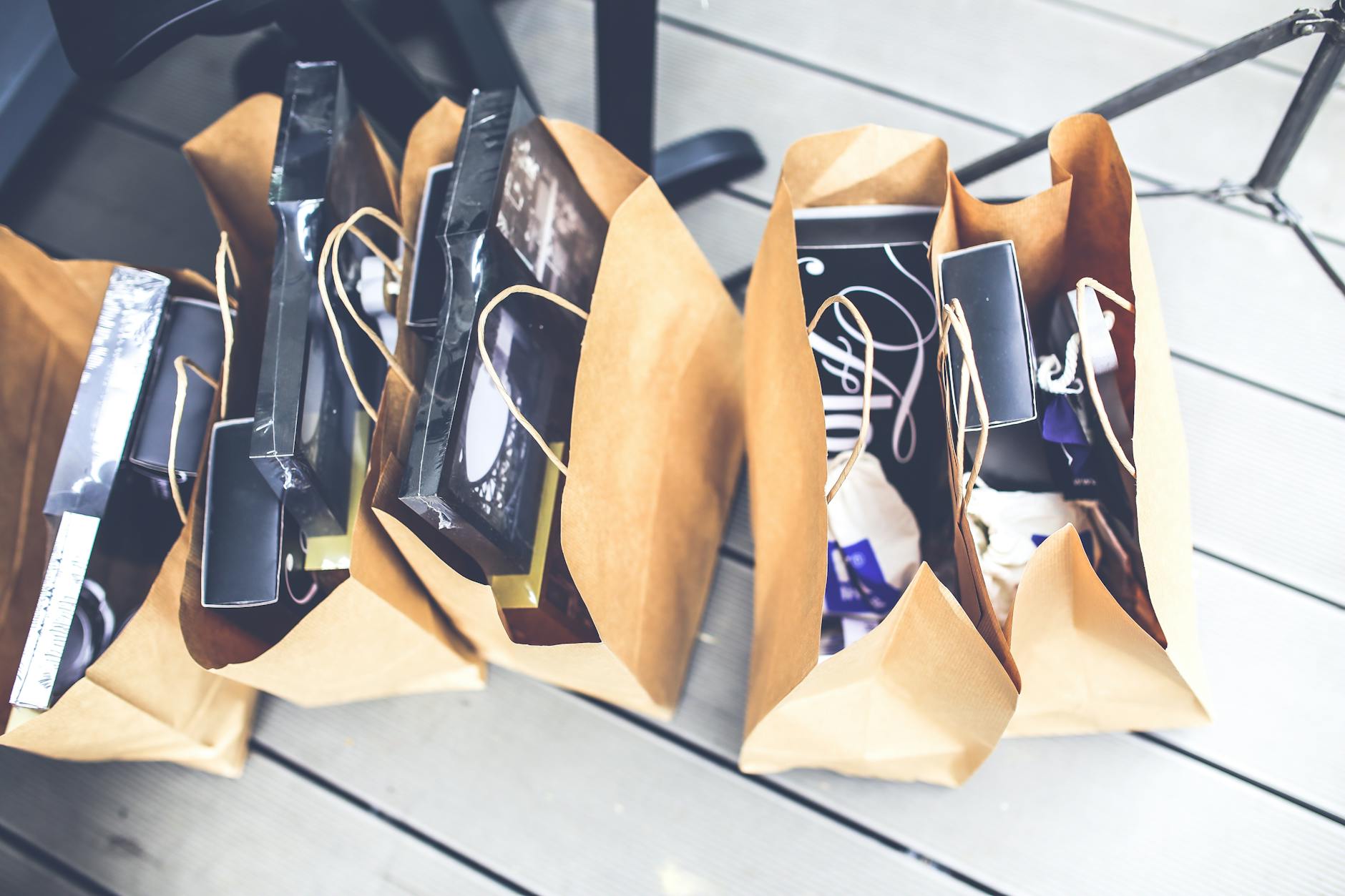
Personalised shopping bags might seem like a simple choice, but they’re one of the most powerful branded merchandise investments any Australian business, organisation, or event planner can make. Unlike a flyer that gets tossed or a digital ad that disappears in a scroll, a well-designed reusable bag travels everywhere — to the supermarket, the beach, the school run, the office. Every outing is another impression, another moment your brand appears in front of new eyes. Whether you’re a Sydney retailer looking to replace single-use plastic bags, a Melbourne charity running a fundraising drive, or a Brisbane conference organiser seeking memorable delegate gifts, personalised shopping bags offer remarkable flexibility and genuinely impressive return on investment.
Why Personalised Shopping Bags Are a Smart Branding Choice
The logic is straightforward: people use bags constantly. Australians are increasingly environmentally conscious, and the phase-out of single-use plastic bags across states and territories has accelerated demand for reusable alternatives. That shift has created a golden opportunity for brands. By putting your logo on a bag that someone actually wants to use, you’re essentially creating a mobile billboard — one that your recipient is happy to carry.
From a cost-per-impression standpoint, personalised shopping bags consistently rank among the most efficient promotional products available. Consider that a single bag might be used hundreds of times over several years. The initial cost is spread across thousands of brand impressions, making it far more economical than many digital or print advertising channels. For a deeper look at how promotional products compare on lifecycle value, our analysis of promotional product lifecycle and sustainability is well worth reading before you finalise your budget.
Beyond the numbers, there’s a practical appeal. Personalised shopping bags are genuinely useful. Recipients don’t have to be convinced to keep them — they naturally integrate into daily routines. That organic usage is what separates a great promotional product from one that ends up in a drawer.
Types of Personalised Shopping Bags to Consider
Not all shopping bags are created equal, and the right choice depends heavily on your audience, budget, and intended use. Here’s a breakdown of the most popular options for Australian organisations.
Non-Woven Polypropylene Bags
These are the classic supermarket-style reusable bags you see everywhere from Adelaide to Darwin. They’re lightweight, cost-effective, and available in virtually every colour. Non-woven bags typically suit high-volume giveaways — think trade shows, expos, community events, and school fairs. Minimum order quantities (MOQs) for non-woven bags often start as low as 50 to 100 units, making them accessible even for smaller organisations.
Decoration is usually done via screen printing or heat transfer, and they handle bold, single-colour logos particularly well. If you’re working with a dark-coloured bag, it’s worth understanding how print colours behave on different backgrounds — our guide to printing on dark vs light coloured promotional products covers this in detail.
Cotton and Canvas Tote Bags
Canvas and cotton totes have become wardrobe staples, particularly among younger Australians and urban professionals. They’re sturdier, more premium-feeling, and associated with sustainability — which makes them ideal for brands wanting to project an eco-conscious image. A Melbourne café, a Gold Coast boutique, or a Canberra not-for-profit would all benefit from the polished look of a branded cotton tote.
Decoration options for cotton totes are broad: screen printing, embroidery, sublimation, and even heat transfer all work well. Embroidery in particular gives a tactile, high-quality finish that elevates the bag from promotional item to something customers genuinely cherish. For bags with a zip closure or more structured design, check out our guide to tote bags with zipper closures for a closer look at what’s available.
Jute and Hessian Bags
If your brand leans heavily into natural, organic, or artisan aesthetics, jute bags are a compelling option. They have an earthy texture and appearance that resonates strongly with health food brands, farmers’ markets, wellness organisations, and eco-focused retailers. Perth health brands and Byron Bay lifestyle businesses tend to gravitate toward these. MOQs are typically 100 units and above, and turnaround times can be slightly longer than synthetic options.
Laminated and Insulated Bags
Laminated bags offer a glossy, polished finish that works beautifully for retail brands, real estate agencies, and event organisers. They can be printed with full-colour photographic-quality imagery, which opens up creative possibilities. Insulated versions double as cooler bags, making them especially valuable for food brands, supermarkets, and outdoor events. For more on branded insulated options, see our guide to printed cooler bags.
Drawstring and Backpack-Style Bags
For sporting events, school promotions, and fitness campaigns, drawstring bags offer a casual, youth-friendly aesthetic that traditional totes don’t quite capture. A Brisbane primary school ordering bags for a fun run, or a Sydney gym rewarding member milestones, would find drawstring options ideal. They’re also a popular inclusion in delegate kits alongside other event merchandise — learn more about what works well in our guide to promotional giveaways for fun runs.
Choosing the Right Decoration Method
The decoration method you choose will significantly affect the final look, durability, and cost of your personalised shopping bags. Here’s a quick overview:
- Screen printing is the go-to for bold, flat-colour logos on non-woven, cotton, and canvas bags. It’s cost-effective at volume and delivers sharp, long-lasting results.
- Embroidery adds texture and a premium feel, best suited to canvas and cotton styles. It’s slightly more expensive but has exceptional durability.
- Sublimation allows for full-colour, edge-to-edge printing on synthetic materials, perfect for photographic designs or vibrant patterns.
- Heat transfer works across a wide range of materials and is a practical choice for smaller runs or complex multi-colour designs.
For more detail on the full range of options available, our overview of promotional printing techniques is an excellent starting point.
Practical Tips for Ordering Personalised Shopping Bags
Nail Your Artwork Before You Start
Poor artwork is the single biggest cause of project delays. Ensure your logo is available as a vector file (AI, EPS, or high-resolution PDF). If you’re uncertain, speak to a graphic designer or ask your supplier what formats they accept. Artwork with fine details, gradients, or multiple colours may require simplification for certain decoration methods.
Understand MOQs and Budget Per Unit
Unit pricing on personalised shopping bags drops significantly at higher volumes. Ordering 250 non-woven bags might cost $3.50 per unit, while 1,000 units could bring that figure down to under $2.00. If you’re operating on a tight budget, it’s worth reviewing the tax deductibility of promotional products to understand what costs your organisation may be able to claim.
Plan for Turnaround Time
Standard production for personalised shopping bags in Australia typically runs between 7 and 21 business days after artwork approval, depending on the supplier, complexity, and quantity. If you’re ordering for a specific event — a gala dinner, a product launch, an EOFY promotion — factor in buffer time. Rush orders are often possible but attract a premium. For inspiration on what shopping bags can accomplish at events, see our guide to promotional giveaways for gala dinners.
Request a Sample or Proof
Before committing to a large run, request a physical or digital proof. Colours can shift between screen and print — particularly with PMS colour matching across different materials. A sample run gives you peace of mind and allows you to test quality, sizing, and finish before the full order goes ahead.
Consider the Occasion and Audience
A bag for a corporate conference has different design requirements than one for a community fair or a school event. Think about whether you want the bag to feel premium, fun, eco-focused, or practical. The design should speak to the recipient’s lifestyle and values. For milestone events and celebrations in particular, our guide to promotional giveaways for milestone celebrations offers useful context on matching product quality to the occasion.
Eco-Friendly Credentials: Making Your Bags Work Harder
Sustainability is no longer a niche concern — it’s a mainstream expectation, particularly in sectors like local government, education, and healthcare. Choosing bags made from recycled materials, organic cotton, or natural fibres signals that your brand takes its responsibilities seriously. This matters enormously to younger consumers and community stakeholders who are paying close attention to how organisations present themselves.
Pairing personalised shopping bags with other eco-conscious merchandise can reinforce a green brand message. For reference, explore our broader look at summer branded merchandise for outdoor marketing campaigns to see how bags fit into a cohesive seasonal strategy, or consider how items like promotional sunscreen sachets complement bags at outdoor events.
It’s also worth considering what else you include in or alongside the bag. A well-curated pack — perhaps a branded bag paired with a notebook, a keep cup, or a reusable straw — tells a coherent brand story. For ideas on what products make strong companions to personalised bags, our roundup of prime promotional products is a great place to browse.
Industries and Sectors That Benefit Most
Personalised shopping bags are genuinely cross-industry. Retailers use them to replace single-use packaging. Schools and universities use them for orientation kits and fundraising. Government councils in Queensland, Victoria, and South Australia use them for community awareness campaigns — and if you’re sourcing promotional products in SA, our dedicated resource on promotional products in South Australia is worth a read.
Real estate agencies hand them out at open homes. Healthcare organisations include them in patient care packages. Charities use them to reinforce donation drive messaging. And event planners routinely include them as delegate bags at conferences, expos, and awards ceremonies. Virtually every sector can find a compelling use case.
Key Takeaways
Personalised shopping bags are one of the most versatile, cost-effective, and genuinely appreciated promotional products available to Australian businesses and organisations. Before you place your order, keep these points in mind:
- Choose the right bag type for your audience — premium cotton for corporate gifting, non-woven for high-volume giveaways, insulated for food brands and outdoor events.
- Match your decoration method to your design — screen printing for simple logos, embroidery for premium finishes, sublimation for full-colour impact.
- Plan your timeline carefully — allow 2–4 weeks minimum from artwork approval to delivery, especially for large or complex runs.
- Lean into sustainability — eco-friendly materials strengthen your brand message and resonate with modern Australian consumers.
- Think beyond the bag — personalised shopping bags work best as part of a broader merchandise strategy, paired with complementary products that reinforce your brand identity.
Whether you’re ordering 50 bags for a local charity fundraiser or 5,000 for a national retail rollout, personalised shopping bags remain one of the smartest, most enduring investments in your promotional toolkit. With the right product choice, quality decoration, and a thoughtful design, your brand will literally be walking the streets of every Australian city and town for years to come.