
How to Use Photos and Prints on Custom Merchandise for Maximum Brand Impact
Discover how Australian businesses can use photos and prints on branded merchandise to create memorable corporate gifts and lasting impressions.

Written by
Grant Ellison
Corporate Gifts
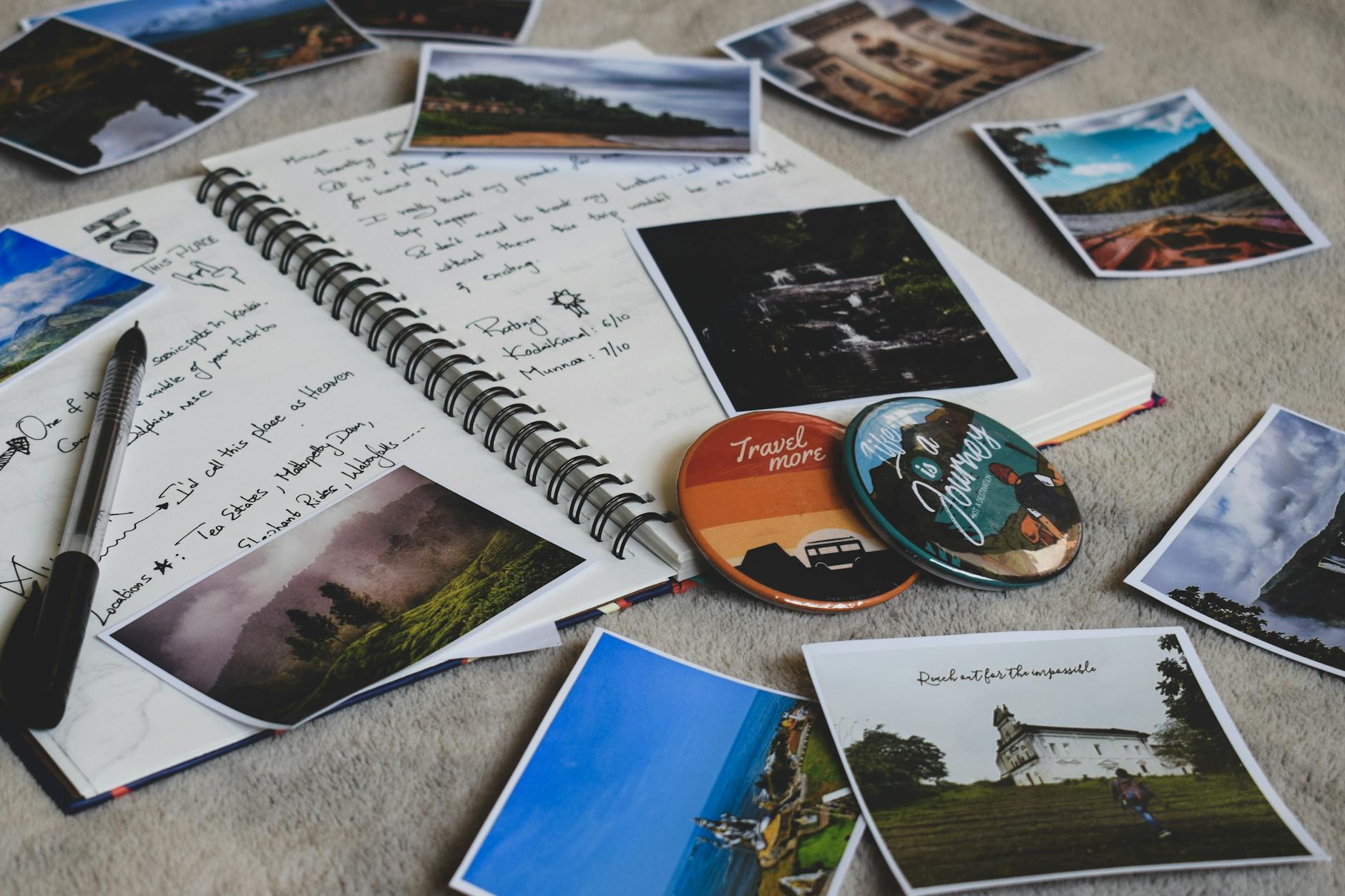
When it comes to corporate gifting, the difference between something that gets used every day and something that ends up in a drawer often comes down to personalisation. Photos and prints on custom merchandise sit at the intersection of practical and meaningful — they transform an ordinary branded product into something people genuinely want to keep, display, and talk about. Whether you’re an event planner in Melbourne putting together conference gift packs, a Brisbane business rewarding long-serving staff, or a Perth council preparing community engagement giveaways, understanding how to use photo and print decoration effectively can dramatically lift the impact of your merchandise investment.
What Do We Mean by Photos and Prints on Merchandise?
Before diving into strategy and product selection, it’s worth clarifying what “photos and prints” actually covers in the branded merchandise world. In short, it refers to any decoration method that reproduces a photographic image, full-colour artwork, or high-resolution design onto a product surface.
This is distinct from simpler decoration like single-colour embroidery or basic pad printing. Photo-quality reproduction typically relies on techniques such as:
- Sublimation printing — ideal for full-coverage, vibrant colour transfer onto polyester fabrics, ceramic mugs, and coated metal products
- Digital direct printing (DTG) — used on natural fibre garments like cotton tees to produce detailed, multi-colour artwork
- UV digital printing — capable of printing photo-realistic imagery onto rigid surfaces like phone cases, metal panels, and plaques
- Dye sublimation on ceramics — the technology behind personalised mugs, which allows photographic images to be permanently fused into the glaze
Each method has its strengths depending on the product type, substrate material, and the complexity of the artwork or photo being reproduced.
Why Photos and Prints Work So Well as Corporate Gifts
There’s a psychological reason why photo-personalised merchandise resonates so deeply with recipients. A product that features a memorable image — a team photo from the annual conference, a milestone event, a meaningful landscape — creates an emotional connection that a standard logo-printed pen simply cannot replicate.
In 2026, savvy Australian organisations are moving beyond the era of “stick a logo on it” gifting. They’re asking: what will the recipient actually value? The answer, more often than not, involves something that tells a story.
Team and Event Photography on Merchandise
One of the most popular uses of photos and prints in corporate gifting is commemorating events. Think about a Sydney financial services firm hosting their annual gala dinner — instead of a standard branded gift bag, they might include a personalised coffee travel mug featuring a printed photo of the team at last year’s retreat. The recipient now has a daily-use item that holds genuine sentimental value.
Similarly, sporting clubs, schools, and not-for-profits across Australia commonly use sublimation-printed products to capture milestone moments. A photo of the winning team, a scenic shot from a charity walk, or a logo-and-photo combined design on merchandise tote bags can make a giveaway feel premium rather than promotional.
Brand Storytelling Through Print Design
Photos and prints aren’t limited to literal photographs. High-resolution illustrated artwork, detailed maps, vintage-style patterns, and full-colour graphic designs all fall under this umbrella. This opens up enormous creative possibilities for organisations that want their merchandise to reflect a brand story rather than just a logo.
For example, a Hobart tourism operator might commission custom illustrated prints of the local landscape, applied to shopping reusable bags or straw bag totes, creating keepsake merchandise that visitors genuinely treasure. The product becomes a piece of art rather than a throwaway promotional item.
Choosing the Right Products for Photo and Print Decoration
Not every product is equally suited to photographic or high-detail print decoration. The substrate (the material the product is made from) plays a major role in determining which method works best and what quality of result you can expect.
Drinkware
Ceramic mugs and travel mugs are among the most popular photo-print products in the Australian market. If you’ve ever searched photos on mug options, you’ll know there’s a huge variety of styles available — from classic white ceramic mugs to stainless steel travel cups. Sublimation is the gold standard for mug printing: it produces vibrant, edge-to-edge imagery with exceptional durability that won’t peel or fade with regular washing.
Other drinkware options worth considering include large plastic water bottles and small water bottles, which can be digitally printed with full-colour artwork for a high-impact result that suits active, outdoor, or wellness-focused recipients.
Apparel
Custom apparel is one of the most widely decorated product categories in Australia, but achieving photo-quality results on fabric requires careful method selection. Cotton-rich garments like mens t-shirts work well with DTG digital printing for detailed, full-colour designs — perfect for event shirts, team uniforms, or conference giveaways that feature photographic imagery.
For workplaces that need practical, wearable gifts, mens work polo shirts and worker shirts with sublimation or digital heat transfer can carry bold branded designs. Even soft shell jackets and hi-vis garments like hi-vis polo shirts and hi-vest jackets can incorporate detailed printed panels for safety-conscious teams who still want a polished branded look.
Headwear is another solid option. A trucker cap or trucker caps with a printed patch or sublimated front panel allows for detailed artwork that embroidery simply couldn’t reproduce with the same clarity.
Bags and Accessories
Bags offer a large print surface, making them ideal for photos and prints. Merchandise tote bags are a perennial favourite for conferences, trade shows, and community events across Melbourne, Brisbane, and beyond. Full-colour print on a natural cotton or non-woven tote allows for photo-realistic graphics, illustrated artwork, or detailed branded designs that turn the bag into a walking advertisement.
For more premium gifting occasions, consider options like mens lunch bags with digitally printed panels, or even a TaylorMade golf bag for a high-end client gift with custom branding.
Don’t overlook accessories either. A custom umbrella with a full-colour print canopy is a brilliant canvas for photographic or illustrated designs — and highly functional for recipients in rainy cities like Hobart or Darwin.
Novelty and Practical Items
Smaller items can still carry significant print detail. A key ring bottle opener with a domed or digitally printed insert can feature a photo, logo, or event design in remarkable clarity. Similarly, cheap promo pens can be ordered in bulk with full-colour digitally printed barrels for lower budget applications.
Artwork Requirements and Getting Your Files Ready
One of the most common issues organisations encounter when ordering photo-print merchandise is submitting artwork that isn’t print-ready. Unlike simpler decoration methods, photographic or high-detail print requires high-resolution files — typically 300 DPI (dots per inch) at the intended print size.
Here’s what to prepare before placing your order:
- Resolution: Always supply images at 300 DPI at full size. A 72 DPI screen image will appear blurry or pixelated when printed.
- File format: TIFF, PSD, and high-quality PNG files are preferred. JPEG is acceptable but avoid heavily compressed files.
- Colour mode: Most print processes use CMYK colour values. If your design is built in RGB (common for screen use), expect some colour shift. Request a proof to confirm colours before bulk production.
- Bleed and safe zones: For edge-to-edge or wrap-around prints, your supplier will require bleed on all sides (typically 3–5mm). Keep critical design elements within the safe zone to avoid trimming.
- Proof approval: Always request a printed or digital proof before approving a full run, especially for photographic prints where colour accuracy is critical.
Budgeting for Photos and Print Merchandise
Print-quality decoration does come at a higher cost than basic single-colour branding, and it’s important to build this into your budget from the outset. Here are some general considerations for Australian buyers:
- Setup fees: Digital printing typically has lower setup costs than screen printing, making it more cost-effective for shorter runs with detailed artwork.
- MOQs: Many photo-print products have minimum order quantities of 12–50 units, though some (like personalised mugs) can be ordered in very small quantities.
- Unit cost: Expect to pay a premium of 20–50% over standard branded products for full-colour, photo-quality printing, depending on the product and print area size.
- Turnaround: Allow 10–15 business days for production, with express options sometimes available for an additional fee. If you’re in Adelaide or Canberra ordering for a national conference, factor in freight time too.
Conclusion: Key Takeaways for Using Photos and Prints on Branded Merchandise
Photos and prints on custom merchandise represent one of the most powerful tools available for Australian businesses, organisations, and event planners looking to create corporate gifts with genuine impact. When done well, they transform functional products into meaningful keepsakes that recipients actually use and remember.
Here are the key takeaways to carry with you:
- Choose your substrate carefully — the material determines which print method is suitable and what quality of photographic reproduction is achievable.
- Invest in high-resolution artwork — poor image quality is the number one cause of disappointing photo-print results; always supply 300 DPI files.
- Think beyond the logo — photos, illustrated artwork, event imagery, and storytelling designs consistently outperform basic logo prints in terms of recipient engagement.
- Request a proof before bulk production — colour shifts between screen and print are common, especially with photographic imagery; a proof protects your budget.
- Plan your timeline and budget early — photo and print decoration takes more time and costs more than basic decoration, so account for this from the project’s outset.
With the right products, the right decoration method, and properly prepared artwork, photos and prints can elevate your next corporate gifting campaign from forgettable to genuinely impressive.