
How to Order Custom T-Shirts Cheap in Australia Without Sacrificing Quality
Discover how Australian businesses and organisations can order cheap custom t-shirts without compromising on quality, with expert tips on pricing, MOQs and more.

Written by
Riley Monk
Custom Apparel
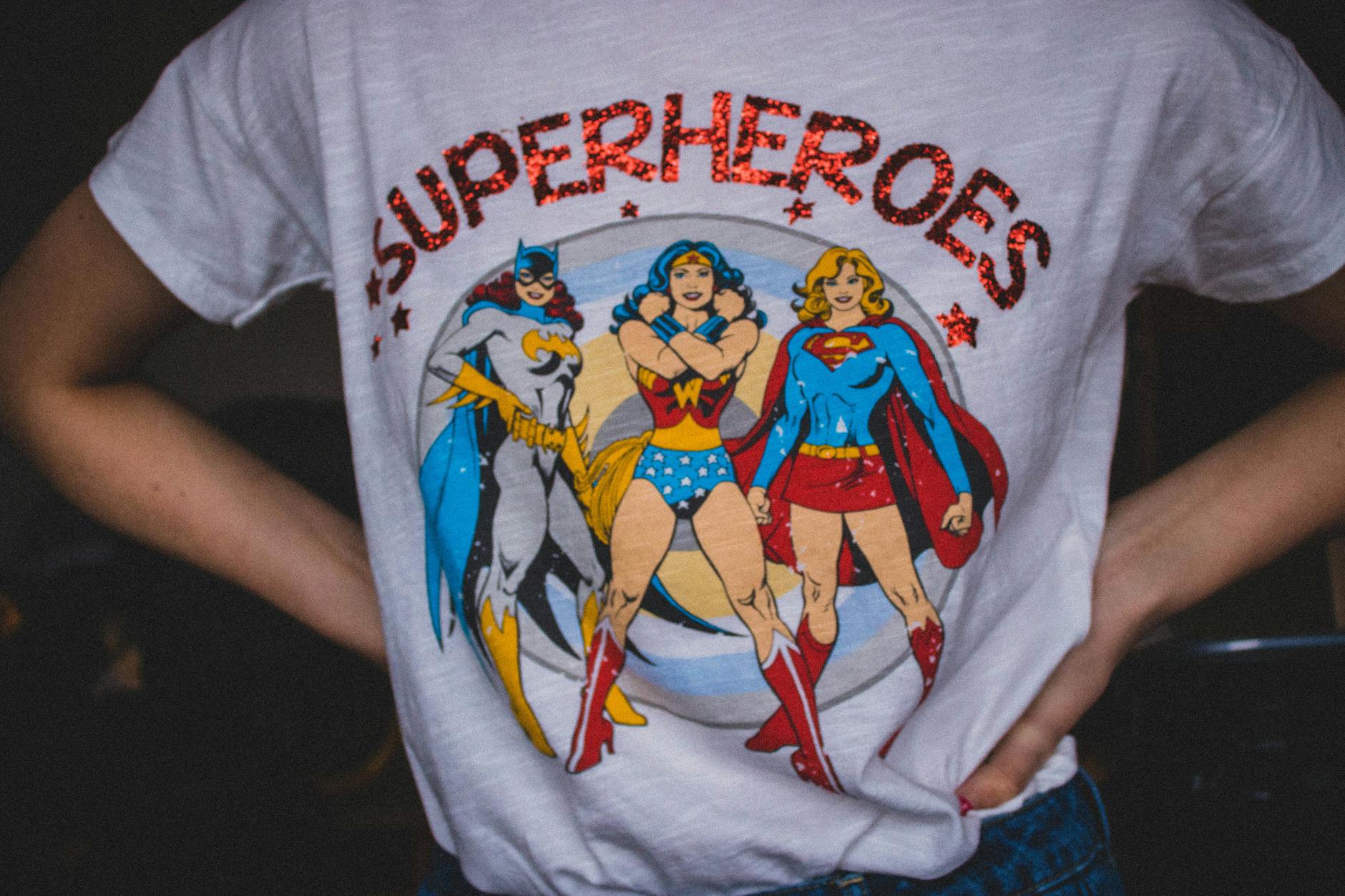
Ordering custom t-shirts cheap in Australia sounds straightforward — until you’re knee-deep in supplier quotes, artwork requirements, and confusing minimum order quantities. Whether you’re a small business in Adelaide trying to kit out your team, a Gold Coast event organiser putting together uniforms for a weekend festival, or a Melbourne charity preparing merchandise for a fundraising drive, getting the balance right between cost and quality is the real challenge. The good news? With the right knowledge, it’s absolutely achievable. This guide breaks down everything you need to know about sourcing affordable custom t-shirts in Australia, without ending up with a box of faded, ill-fitting disappointments.
Why Custom T-Shirts Remain One of Australia’s Most Popular Branded Products
There’s a reason custom t-shirts have been a staple of Australian promotional merchandise for decades. They’re versatile, universally wearable, and — when done well — genuinely useful to recipients. Unlike a branded pen that ends up in a drawer, a well-made t-shirt gets worn repeatedly, putting your logo in front of new eyes every single time.
For businesses and organisations exploring the broader world of custom merchandise in Australia, t-shirts consistently rank among the highest return-on-investment products. They work equally well as staff uniforms, event giveaways, school fundraiser merchandise, corporate team-building apparel, and conference swag.
The demand for affordable options has grown significantly as organisations of all sizes — from Darwin trade associations to Sydney not-for-profits — look to stretch their branding budgets further. Understanding what drives cost is the first step to making smart purchasing decisions.
What Determines the Price of Custom T-Shirts in Australia?
Before diving into tips for keeping costs down, it helps to understand the key factors that influence pricing.
Blank Garment Quality
The base garment is often where the biggest price variation occurs. Budget-friendly blanks typically use 100% cotton or a cotton-polyester blend and are sourced from major wholesale suppliers. These are perfectly suitable for events, giveaways, and casual team wear. Premium blanks — heavier GSM, fitted cuts, or organic cotton — will cost more per unit but may be appropriate for retail-quality merchandise or high-value corporate gifting.
Decoration Method
The printing technique you choose has a significant impact on both unit cost and setup fees. Screen printing is the most cost-effective method for larger runs because the setup cost is spread across more units. Digital printing (DTG) is better suited for small runs or complex multi-colour designs but typically costs more per unit. Embroidery adds a premium finish but is generally reserved for polos and caps rather than standard t-shirts where a flatter finish is preferred.
If you’re working with dark-coloured garments, it’s worth understanding the technical considerations involved — our guide to printing on dark vs light coloured promotional products covers this in detail and can help you avoid costly surprises.
Quantity Ordered
This is the single biggest lever you have on pricing. Bulk ordering almost always drives down the per-unit cost dramatically. A run of 50 t-shirts might cost $20–$30 each when you factor in setup fees, but that same shirt in a run of 500 could drop to $8–$12 per unit. Understanding break points — the quantities at which pricing drops — is essential for budget planning.
Number of Print Colours and Print Locations
More colours mean more screens in screen printing, which means higher setup fees. A one-colour front print is the cheapest option. Adding a second location (e.g., a back print or sleeve logo) adds to both setup and production costs. Simplifying your artwork can make a meaningful difference to the total bill.
Turnaround Time
Rush orders almost always attract a premium. Standard production timelines in Australia typically run 10–15 business days from proof approval, though many suppliers offer expedited services for events. Planning ahead is one of the easiest ways to keep custom t-shirts cheap without compromising quality.
Practical Tips for Getting Custom T-Shirts Cheap in Australia
Now for the actionable advice. These strategies will help you reduce costs while maintaining a professional result.
Order in Bulk When Possible
As outlined above, higher quantities equal lower per-unit pricing. If you’re ordering for a team but also have an upcoming event, consider combining orders to hit a better price tier. A Brisbane primary school ordering custom sports day t-shirts, for instance, might find it cost-effective to order slightly more than needed and use the surplus as prizes or spares.
Keep Your Design Simple and Strategic
A single-colour design on the front chest or full front of the shirt will almost always be your most affordable option. Work with your graphic designer or your supplier’s design team to simplify your artwork without losing brand impact. Remember, a bold, clean logo often looks better on a t-shirt than a complex multi-layered design anyway.
Choose the Right Blank for the Purpose
Resist the temptation to over-specify. If you’re ordering shirts for a community fun run in Perth, you don’t need a 220 GSM premium tee. A standard 160–180 GSM cotton or cotton-blend shirt will look great, hold the print well, and cost significantly less.
Compare Screen Printing for Larger Runs
For orders above 50 pieces, screen printing is almost universally the most cost-effective decoration method. It produces vibrant, durable results and the per-unit cost drops as quantity increases. Digital printing (DTG) is ideal for small runs of 10–30 shirts, particularly if your design uses photographic elements or gradients.
Plan Ahead and Avoid Rush Fees
This one deserves repeating. Ordering with adequate lead time — ideally four to six weeks before your event or deadline — removes the need for rush fees, which can add 25–50% to your total cost. If you’re planning merchandise for milestone events, our guide to promotional giveaways for milestone celebrations in Australia has useful planning timelines to keep in mind.
Request Samples Before Committing to a Large Run
Reputable suppliers will offer pre-production samples or physical blank samples for approval. Always request this, particularly when ordering more than 100 units. Catching a sizing, colour, or print issue at the sample stage is far cheaper than discovering it after your full run has been produced.
Decoration Methods Compared for Budget T-Shirt Orders
| Method | Best For | MOQ | Cost Profile |
|---|---|---|---|
| Screen Printing | Bulk orders, simple designs | Usually 25–50 | Low per-unit at volume |
| DTG Digital Print | Small runs, complex art | As low as 1–10 | Higher per-unit, lower setup |
| Heat Transfer | Medium runs, multi-colour | 10–50 | Moderate, versatile |
| Sublimation | All-over prints, polyester | 10–25 | Moderate, vivid results |
For all-over designs and vibrant full-coverage artwork on polyester garments, sublimation is worth exploring — though it’s typically more relevant to drinkware and sportswear rather than standard cotton tees.
Common Mistakes to Avoid When Ordering Affordable Custom T-Shirts
Even the most budget-conscious order can go sideways if a few key details are overlooked.
Ignoring GSM and fabric composition — Always ask about the garment’s gram-per-square-metre weight and fabric blend. Very cheap blanks (under 150 GSM) tend to be see-through, shrink badly, and hold print poorly.
Skipping the proof approval — Always review and approve a digital mock-up or physical proof before production begins. A colour discrepancy or logo placement issue discovered post-production is an expensive lesson.
Not accounting for sizing variations — Australian sizing can differ between garment brands and manufacturers. Always order a size run based on your team or audience and include a buffer of extra units in your most popular sizes.
Focusing solely on unit price — The cheapest per-shirt price doesn’t always represent the best value. Factor in print quality, fabric durability, shipping costs, and the supplier’s reputation for meeting deadlines.
If you’re also exploring other affordable branded products to complement your t-shirt order, our roundup of cheap stubby holders with custom branding is a popular starting point for event and hospitality organisations.
Budgeting for Custom T-Shirts: What to Expect in 2026
As a general guide for 2026, here’s a rough pricing framework for screen-printed custom t-shirts in Australia (one colour, one location, standard blank):
- 50 units: $18–$28 per shirt
- 100 units: $12–$18 per shirt
- 250 units: $8–$13 per shirt
- 500+ units: $6–$10 per shirt
These figures are indicative and will vary based on garment quality, number of print colours, supplier, and location. Setup/screen fees (typically $30–$60 per colour) are usually charged separately and spread across the order. For the latest insights on what’s trending in branded merchandise budgets, our overview of corporate gifting market trends provides useful context for procurement planning.
It’s also worth factoring in complementary branded items if you’re building a complete merchandise package. Popular additions alongside t-shirts include premium custom hoodies for staff or team wear, or branded accessories to round out event kits and welcome packs for open day visitors.
For organisations prioritising sustainability, it’s worth exploring organic and recycled fabric options. Many suppliers now offer eco-certified blanks at competitive price points — our review of eco-friendly promotional product trends in Australia highlights what’s available and what to look for.
Conclusion: Key Takeaways for Ordering Custom T-Shirts Cheap in Australia
Getting affordable custom t-shirts in Australia is absolutely achievable when you approach the process with a clear strategy. Here’s a summary of what matters most:
- Order in bulk to unlock the best per-unit pricing — hitting quantity break points is the single most effective way to reduce cost.
- Keep your design simple — fewer colours and a single print location dramatically reduce setup costs.
- Choose the right decoration method for your run size — screen printing wins on cost for larger orders; DTG is more suitable for small or complex runs.
- Plan ahead to avoid rush surcharges — a four-to-six-week lead time protects your budget and gives time for proper proof review.
- Don’t sacrifice too much on garment quality — a very cheap blank will undermine even a great print, so balance cost savings with a minimum acceptable standard of fabric weight and construction.
With these principles in mind, you’ll be well-equipped to source custom t-shirts cheap in Australia without the headaches — or the regrets.