
Custom Tool Belts for Mining Operations: The Complete Australian Buyer's Guide
Discover how to source custom tool belts for mining operations in Australia — covering branding, safety, MOQs, and ordering tips.

Written by
Troy Maguire
Safety & Workwear
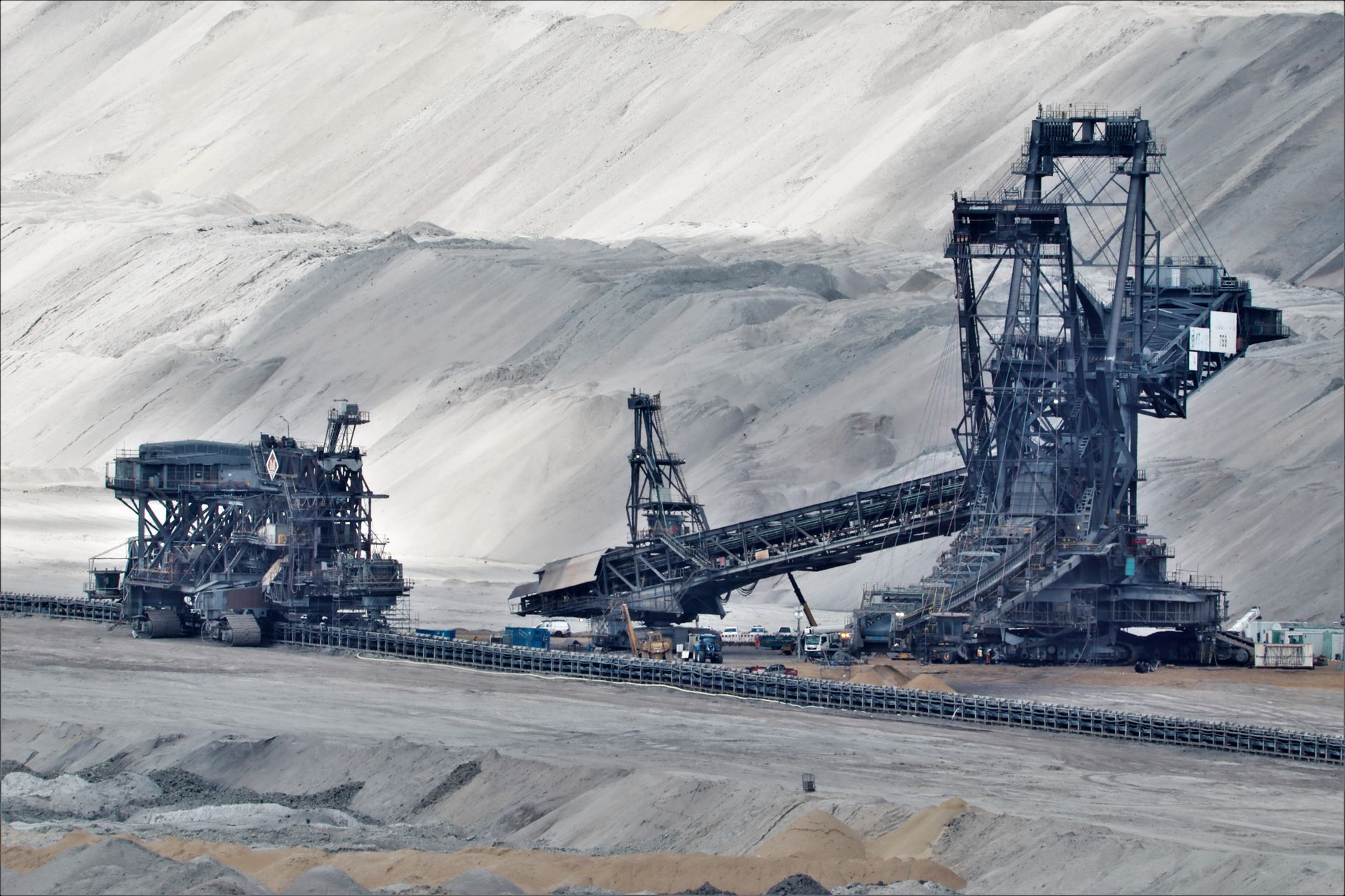
Mining is one of Australia’s most demanding industries — and when your workforce is operating in the Pilbara, the Hunter Valley, or the copper mines of South Australia, every piece of equipment matters. Custom tool belts for mining operations in Australia are far more than a branding exercise. They’re a practical investment in safety, team identity, and operational efficiency. Whether you’re kitting out a crew of 50 at a gold mine in Kalgoorlie or outfitting site supervisors for a coal operation in Queensland’s Bowen Basin, getting your branded workwear and accessories right can make a genuine difference on the ground. This guide walks you through everything you need to know — from product specifications and decoration methods to budgeting, MOQs, and working with suppliers effectively.
Why Mining Operations Are Investing in Custom Tool Belts
There’s a growing recognition across Australian mining, resources, and civil contracting sectors that branded workwear and accessories serve a dual purpose. On one hand, they reinforce company identity and professionalism on site. On the other, they contribute to a culture of accountability and safety. When every worker is clearly identified by branded gear, it’s easier to manage site access, confirm inductions, and maintain compliance with safety protocols.
Custom tool belts in particular have emerged as a smart choice because they’re used constantly throughout the workday. Unlike a branded jacket that might get taken off in warm conditions, a tool belt stays on. That means your company name, logo, or safety messaging is visible — to other workers, site visitors, safety inspectors, and clients — for the entire shift.
This visibility matters even more as Australian mining companies face increasing scrutiny around safety culture. Branded gear that signals professionalism and order can reinforce those values in a tangible way. It also helps new workers identify team leads and supervisors at a glance, which is genuinely useful in large, noisy, or complex site environments.
If you’re already thinking about broader branded workwear strategies for your operation, our comprehensive guide to custom merchandise in Australia is a great starting point for understanding the full range of options available.
Key Features to Look for in Mining-Grade Tool Belts
Not all tool belts are suitable for heavy-duty mining environments. Before you think about branding, you need to make sure the product itself is fit for purpose. Here’s what to look for when evaluating options for Australian mining operations.
Material and Durability
Mining environments are tough on equipment. Dust, grease, moisture, UV exposure, and constant physical use all take a toll. Look for tool belts made from heavy-duty leather, ballistic nylon, or reinforced polyester. Leather remains a popular choice on hard rock mining sites due to its durability and resistance to abrasion. Nylon options tend to be lighter and can offer better resistance to moisture and chemicals, which may be relevant depending on your site conditions.
Stitching quality is critical. Double or triple stitching at stress points, along with reinforced riveting on D-rings and attachment loops, will significantly extend the working life of the belt. Cheap belts that fall apart after a few months aren’t just costly to replace — they’re a potential safety hazard if tools are inadequately secured.
Compliance and Safety Considerations
In Australian workplaces governed by WHS (Work Health and Safety) legislation, all PPE and work equipment should be appropriate for the hazards present. Tool belts don’t typically carry formal AS/NZS certification the way hard hats or safety boots do, but they should still be assessed as part of your broader risk management approach. Consider whether the belt design securely retains tools in a way that prevents dropping hazards, particularly if workers are operating at height or near machinery.
It’s also worth considering compatibility with other PPE — a bulky tool belt that interferes with a safety harness could create problems. Speak with your supplier about design options that accommodate harness use if this is relevant to your site.
Fit and Adjustability
A tool belt that doesn’t fit properly won’t be worn correctly — simple as that. Look for adjustable waist sizing with a wide range, and consider options that include padded back support if workers will be carrying heavy loads throughout a long shift. Ergonomic design isn’t just about comfort; it’s about reducing fatigue and musculoskeletal strain, which is a real cost driver for mining operations through lost-time injuries.
Branding Options for Custom Tool Belts in Mining
Once you’ve selected a suitable base product, the next step is working out how to apply your branding. Mining-grade tool belts present some specific challenges compared to more standard promotional products, and the decoration method you choose will affect both the final look and the longevity of the branding.
Embroidery
Embroidery is often the preferred method for tool belts made from leather or heavy canvas. It’s durable, professional-looking, and holds up well under industrial conditions. A company logo or text stitched directly onto the belt or a pouch panel will remain legible and intact far longer than printed alternatives in a dirty, abrasive environment. Typical MOQs for custom embroidered belts start from around 25–50 units, though some suppliers can accommodate smaller runs for premium pricing.
If you want to learn more about how embroidery compares to other decoration methods for workwear, our post on printing on dark vs light coloured promotional products covers some useful decision-making considerations that apply here too.
Debossing and Laser Engraving
For leather tool belts, debossing — where your logo is pressed into the leather — is an excellent option. It creates a refined, tactile finish that looks sharp and lasts indefinitely. Similarly, laser engraving works beautifully on leather pouches and hardware components. These methods are particularly well-suited to supervisor or management-level tool belts where a premium finish is appropriate.
Heat Transfer and Pad Printing
For nylon or polyester belts, heat transfer and pad printing are more commonly used. These can produce excellent results, particularly for logos with multiple colours or fine detail. That said, they’re less resistant to abrasion than embroidery in heavy-use applications, so consider placement carefully — avoid high-wear surfaces like the underside or edges of the belt.
Reflective Tape and Hi-Vis Elements
Many Australian mining operations work under strict hi-vis requirements — if your site falls under this category, consider whether you can incorporate reflective tape or hi-vis strip detailing into the belt design. Some manufacturers can integrate this during production. This adds a safety dimension to the customisation, which aligns branding with compliance needs.
For context on broader branded safety gear across industrial sectors, our guide to branded face shields for manufacturing plants in Australia explores similar considerations in a comparable operational environment.
Ordering Custom Tool Belts: Practical Advice for Australian Buyers
Establishing Your Brief
Before approaching a supplier, get clear on your requirements. How many units do you need? What’s your timeline? Do you have a site induction date, a contract start, or a corporate event driving your deadline? Are all workers the same size, or do you need a range? What’s your branding — do you have print-ready artwork files, or will you need design assistance?
Having answers to these questions upfront will speed up the quoting process significantly and reduce the risk of delays. Australian suppliers typically request vector files (AI or EPS format) for logo artwork, with fonts converted to outlines and colours specified in PMS codes where possible.
Turnaround Times
Custom tool belts with embroidery or debossing are not fast-turnaround products. Unlike, say, custom lanyards or branded promotional giveaways that might turn around in a week or two, custom-branded tool belts — particularly those involving genuine leather or complex customisation — typically require four to eight weeks from order confirmation to delivery. If your operation is based in a remote location like the Northern Territory or regional Western Australia, factor in additional freight time.
Always request a physical sample or a digital proof before approving your full order. This is especially important with embroidery, where subtle differences in thread colour or stitch density can significantly affect the finished look.
Budgeting Considerations
Custom tool belts for mining operations represent a mid-to-premium investment in branded workwear. Basic branded nylon belts with pad printing can start from around $30–$60 per unit at reasonable quantities. Leather belts with embroidery or debossing typically range from $80–$150+ per unit, depending on complexity and order size.
Bulk pricing tiers usually kick in at 50, 100, and 250 units — so if your order sits just below a tier threshold, it’s often worth rounding up. Setup fees for embroidery can range from $50–$120 per design, while debossing dies may carry a one-off tooling cost of $150–$300.
It’s also worth exploring whether tool belts can be part of a broader branded workwear package for your site. Bundling with items like hi-vis polos, branded hard hat clips, or safety-compliant drinkware can sometimes unlock better pricing across the board. Our post on promotional giveaways for milestone celebrations in Australia has some useful thinking around bundling branded items for impact.
For a broader look at what’s trending in the branded merchandise space right now, the eco-friendly promotional products trends in 2026 post is worth a read — some mining operations are actively exploring sustainable alternatives for workwear accessories.
Managing a Branded Workwear Project for a Mining Operation
Large mining operations often have complex procurement processes, and branded workwear can fall awkwardly between the responsibilities of HR, procurement, and the safety team. A few tips to keep your project on track:
- Nominate a single point of contact internally who owns the project from brief to delivery
- Loop in your safety manager early to ensure the selected product meets site requirements
- Get written confirmation of specifications — weight, dimensions, materials, decoration placement — before approving production
- Request pre-production samples for any order above 100 units
- Build in buffer time — mining sites often have shift rotations and logistical constraints that affect delivery and distribution
If you’re ordering for multiple sites across different states — say, operations in both the Kimberley and the Hunter Valley — consider centralised ordering with split delivery to reduce freight complexity. Most reputable Australian suppliers can accommodate this with some advance notice.
Conclusion: Key Takeaways for Sourcing Custom Tool Belts for Mining Operations in Australia
Custom tool belts for mining operations in Australia represent a meaningful investment that bridges safety, branding, and team identity. Done well, they’re a piece of gear your workers will genuinely value and use every day. Here are the most important things to take away from this guide:
- Prioritise product suitability over branding — ensure the belt is fit for your site conditions before considering decoration methods
- Match your decoration method to the material — embroidery and debossing for leather, heat transfer or pad printing for nylon, with reflective elements where hi-vis compliance applies
- Allow adequate lead times — custom-branded tool belts typically need four to eight weeks, plus freight time to remote sites
- Budget realistically — leather belts with premium decoration can run $80–$150+ per unit, while branded nylon options offer a more accessible price point
- Streamline your procurement process — nominate a clear owner, involve your safety team early, and consolidate orders across sites where possible
- Consider bundling — pairing tool belts with other branded workwear and safety accessories can drive better pricing and a more cohesive on-site brand presence
Whether you’re outfitting a crew of 20 or a workforce of 500, taking a considered approach to custom branded workwear will pay dividends in safety culture, team morale, and professional presentation on site.